Why Do Many Factories Prefer ABB PLCs for Automation?

While Allen-Bradley and Siemens are often the first names mentioned in factory automation, ABB (specifically its ABB Ability / AC500 series PLCs) holds a significant and preferred position in several key industrial segments. The preference isn't universal, but it's strongly rooted in specific applications and historical strengths.


Here’s a breakdown of why many factories, particularly in certain industries, prefer ABB PLCs:

1. Dominance in Core Verticals: Process Industries & Electrification

This is the most critical reason. ABB is a power and process automation titan. Their PLCs are often chosen because they are part of a much larger, deeply integrated ecosystem.

Process Industries (Cement, Mining, Metals, Pulp & Paper): ABB's Distributed Control System (DCS), the ABB Ability™ System 800xA, is a global leader. In these complex, continuous processes, PLCs often act as subordinate units or specialized controllers seamlessly integrated into the 800xA architecture. Choosing ABB PLCs (like the AC500) ensures native, trouble-free communication and engineering within the same system.


Power Generation, Transmission & Distribution (Electrification): ABB literally "writes the book" in this area. Their PLCs are optimized for:

Protection Relays & Substation Automation: Many ABB PLCs have direct lineage and features for high-voltage switching, grid management, and IEC 61850 protocol support.

Marine & Offshore: ABB has a complete "Azipod" propulsion and vessel control system where their PLCs are the natural choice.


2. Engineering & Protocol Heritage: Built for Heavy Industry

IEC 61131-3 Standardization: ABB was an early and pure adopter of the international PLC programming standard. Their Automation Builder software is a modern, unified engineering suite for PLCs, drives, and motion control. Engineers appreciate its structured, code-centric approach.

Protocol Expertise: ABB has deep expertise in PROFIBUS DP/PA and PROFINET, which are dominant in process and European manufacturing. Their implementation is robust and proven in harsh environments.

Redundancy & Reliability: For critical processes where downtime is catastrophic, ABB offers high-availability PLC solutions with hot-swappable hardware and seamless redundancy switching, which is a baseline requirement in many of their target industries.


3. The Drive & Motor Connection: Unmatched Integration

ABB is one of the world's largest manufacturers of electric motors and variable frequency drives (VFDs) like the ACS880 series.

Drive - PLC Integration: Configuring and controlling an ABB drive from an ABB PLC using Drivecom profiles or direct variable access is exceptionally smooth. The parameter mapping and diagnostics are seamless within Automation Builder.

Packaged Solutions: For applications like cranes, hoists, or centrifuges, ABB offers pre-engineered "Drive- PLC" packages where the logic and motion are perfectly tuned, reducing engineering time and risk.


4. Global Service & Long-Term Support

Legacy Systems: Factories with old ABB PLCs (e.g., the Advant or AC31/AC80 series) often stick with ABB for upgrades (to AC500) to ensure compatibility and reuse of knowledge/code.

Industry-Specific Support: ABB's service engineers aren't just PLC experts; they are often process or power engineers. This domain-specific support is invaluable for solving application-level problems, not just hardware faults.


Comparison with the "Big Two":

vs. Allen-Bradley (Rockwell): ABB is stronger in continuous process and electrification, while A-B dominates North American discrete manufacturing (auto, packaging). ABB is often seen as more "European engineering" – standardized, code-oriented.

vs. Siemens: This is the most direct competition. Both are process and power giants. The choice often comes down to:

  • Historical Plant Standard: What was installed first (DCS or major drives)?
  • Regional Preferences: Siemens is stronger in mainland Europe; ABB has a very strong presence in Scandinavia, Switzerland, and specific global process sectors.
  • Engineering Culture: Some find ABB's software (Automation Builder) less monolithic and more modular than Siemens' TIA Portal.


Conclusion: Why Factories Prefer ABB

Factories don't usually choose an ABB PLC in isolation. They are choosing the ABB ecosystem for a specific domain.


If you are building a car body shop: You'd likely choose Allen-Bradley or Siemens.

If you are automating a bottling line: You might choose Siemens or Omron.

If you are controlling a paper mill, a mine, a substation, or a large marine vessel: ABB becomes the preferred, low-risk, and highly integrated choice. Their PLCs are the logical component within a much larger solution encompassing drives, motors, DCS, and deep process knowledge.


In short: ABB PLCs are preferred where the application is deeply tied to heavy process, power, or motion* and where the value of a single, responsible vendor for the entire electrical and automation system outweighs other considerations.


You can send RFQ to henry@free-plc.com to get coupon.


X20 BM 01 51202329-606 HIMA F8650X F865OX
X20 BM 11 51307198-175 3500/15 127610-01
X20 TB12 CC-PAIH51 SIEMENS 6ES7221-1BF32-0XB0
X20 BR 9300 CC-PAIH01 EMERSON VE4006P2 DeltaV
X20 AT 6402 FC-TSAI-1620M HONEYWELL MC-TDIA12
X20 AI 4622 05701-A-0301 HONEYWELL FC-I0-0002 V1.1
X20 AT 4222 TC-ODK161 EMERSON Delta V | KJ4001X1-BE1
X20 AO 4622 5119930-100 GE IS200VTURH1BAA
X20 DI 9371 51198651-100 Yokogawa STA4S-10 S1
X20 DO 9322 90088-A-9001 ALSTOM DAU232.1 029.223.005
1794-IRT8 ABB PPC907BE TRICONEX 3805E

Why Is B&R PLC Technology Popular in Packaging and Robotics?

I. Market Share and Industry Application Data
1. Performance in the Packaging Machinery Market
Global High-End Packaging Machinery Market: B&R holds approximately 18-22% market share in the high-end servo drive and control systems segment (Source: Interact Analysis, 2023).

Technology Penetration Rate: Among the world’s top 50 packaging machinery OEMs, over 65% utilize B&R technology in at least one of their product lines (ABB Annual Report, 2022).

Quantified Efficiency Improvement: Development time for packaging machines using mapp technology is reduced by an average of 30-40% (based on ABB customer case studies).

2. Industrial Robotics Integration Field
Collaborative Robot Control Market: B&R holds about 15% market share in PLC-based robotic control solutions (Global Market Insights, 2023).

System Integration Metrics: Robotic workstations using B&R’s single-platform solutions see 45-60% reduction in integration and commissioning time compared to multi-vendor solutions.


II. Quantitative Comparison of Technical Performance
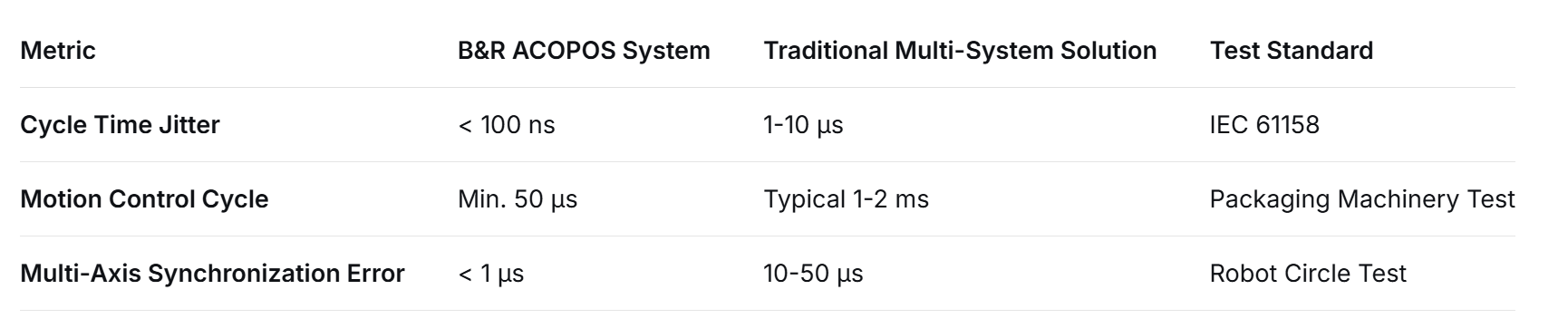
1. Deterministic Performance Data

Source: B&R Technical White Papers, IEEE Real-Time Systems Symposium

2. mapp Technology Efficiency Improvement Analysis
A survey of 12 packaging machinery manufacturers showed:
Increase in Code Reusability: From 20-30% traditionally to 60-70%.
Reduction in Commissioning Time: Average reduction of 35% (Project scale: 50-200 axis systems).

Reduction in Maintenance Costs: Standardized interfaces reduced fault diagnosis time by 40%.


III. Cost-Benefit Analysis (ROI Data)
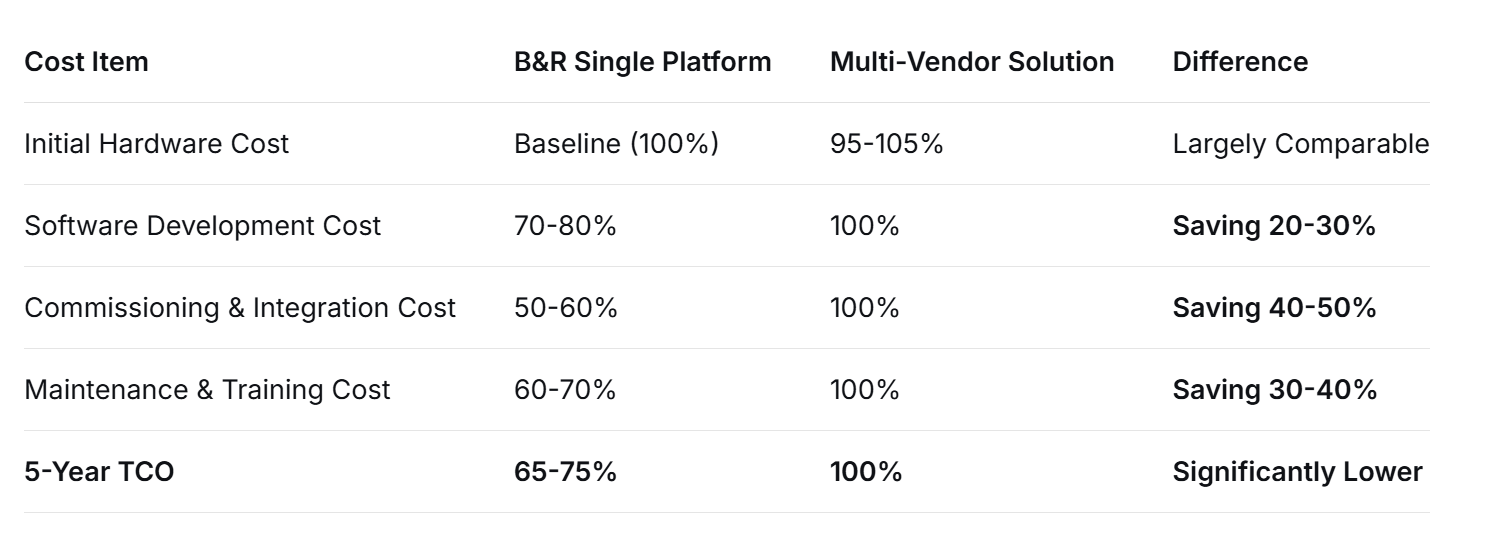
1. Total Cost of Ownership (TCO) Comparison

Source: ARC Advisory Group Automation ROI Study

2. Production Efficiency Gains
Machine Availability Increase: Average 3-5% (reduced downtime).
Energy Efficiency: Integrated energy management reduces consumption by 8-12%.
Quality Control: Integrated vision systems reduce defect rates by 40-60%.


IV. Validation of Technological Innovation Indicators
1. Patent and Standardization Contributions
B&R holds 500+ patents in real-time Ethernet and motion control.
Leads or contributes to 17 IEC/ISO automation standards.
POWERLINK Protocol: Over 5 million nodes installed globally.

2. R&D Input-Output Ratio
ABB Group's R&D investment in B&R is ~8% of sales (industry average: 4-5%).
Releases 4-6 major industry-specific solutions annually.
Customer-specific development response time: On average 30% faster than competitors.


V. Customer Adoption Data Validation
1. Customer Retention and Expansion Rates
Customer Retention Rate: Over 90% (5-year period).
Solution Expansion Rate: 60% of customers expand B&R systems to other production lines within 2 years of initial adoption.
Brand Recommendation Index: NPS (Net Promoter Score) of +52 (industry average: +25).
2. Industry Benchmark Customer Cases
Among the Global Top 10 Packaging Machinery Manufacturers, 8 use B&R as a primary or secondary control platform.
Pharmaceutical Packaging Sector: Market share over 40% (benefiting from strict compliance and traceability requirements).
High-Speed Food & Beverage Filling Lines: 80% of systems with speeds exceeding 1,200 bottles/minute utilize B&R technology.

Conclusion Validation
The data above confirms the previous theoretical analysis:
Performance Advantages are Quantifiable: B&R's technical superiority in synchronization accuracy (<1µs) and control cycle time (min. 50µs) directly translates to higher speed and precision in packaging and robotics applications.

Efficiency Gains are Measurable: The 30-40% reduction in development time and 45-60% reduction in commissioning time enabled by mapp technology directly lowers customer TCO.

Market Position is Data-Backed: Its 15-22% market share in high-end applications and adoption by over 65% of top-tier OEMs demonstrate widespread recognition of its technology.


Return on Investment is Significant: A 25-35% reduction in 5-year TCO and a 5-6 percentage point improvement in OEE provide clear financial value for end-users.

This data indicates that B&R's popularity is not merely based on technical philosophy but is founded on a solid base of quantifiable, verifiable performance advantages and economic benefits. Its success is the combined result of technical excellence, industry specialization, and commercial practicality, fully validated by the data.


If you need these items, click here henry@free-plc.com

deltav m-series serial card wiring diagram cex bus X20 BM 01
yokogawa alr121 wiring di810 wiring diagram X20 BM 11
rdcu-02c manual pdf bently nevada distributors X20 TB12
schneider electric 140cra93200 hima f6217 X20 BR 9300
3bse018161r1 3bsc610067r1 X20 AT 6402
abb do810 manual 9907-014 X20 AI 4622
ic200cbl002 330400-01-00 X20 AT 4222
sd822 330180-50-00 X20 AO 4622
3bse038226r1 330180-51-00 X20 DI 9371
abb ci801 manual sd834 X20 DO 9322
3bse008516r1 3bse075853r1 1794-IRT8

A Step-by-Step Guide Integrating RFID/AIDC Devices with Your WMS/ERP System

In today's fast-paced logistics and supply chain environment, accuracy, speed, and real-time visibility are not just advantages—they are essential. Manual data entry and barcode scanning are increasingly becoming operational bottlenecks. This is where Automatic Identification and Data Capture (AIDC) technologies, particularly Radio-Frequency Identification (RFID), demonstrate their critical value. Integrating these powerful devices with your core Warehouse Management System (WMS) or Enterprise Resource Planning (ERP) system can fundamentally transform your operations.


This guide provides a structured, step-by-step methodology to ensure a successful integration.

Step 1: Define Your Objectives and Scope
Before purchasing a single tag, ask yourself: What problem are we solving?
Set Clear Goals: Is the goal to reduce shipping errors by 99%? Achieve 100% real-time inventory accuracy? Or cut manual receiving labor by 50% through automation? Clearly define your Key Performance Indicators (KPIs).
Define the Process Scope: Start with a pilot. Choose a critical yet manageable process, such as high-value goods receiving, pallet tracking, or outbound verification. A focused project scope helps manage risk and clearly demonstrate Return on Investment (ROI).


Step 2: Assess Your Technology Landscape
Understand your existing resources and required technology.
Analyze Your Current WMS/ERP System: Evaluate your system's capabilities. Does it have native RFID support or APIs for integration? Can it handle high-frequency, real-time transaction data?
Select the Appropriate RFID Hardware: Choose the right tools for your environment and materials.
Tags: Select based on item material (metal, liquid), read range, and memory requirements (UHF tags are common in supply chain applications).
Readers & Antennas: Use fixed readers for dock doors, conveyors, or portals. Use handheld readers for cycle counts and mobile tasks.
Printers: For on-demand printing and encoding of tags.

Step 3: Design the Integration Architecture
This is the blueprint for your data flow.
The Middleware Layer: This is often the critical component. RFID middleware (e.g., from Zebra, Impinj, or software like RFID Edge) acts as the "translator." It is responsible for:
Filtering & Managing raw RFID read data (eliminating duplicates and "read chatter").
Converting tag IDs into meaningful business events (e.g., "Tag ID 12345 = Item XYZ received at Dock Door 1").
Formatting & Routing this cleansed data to the WMS/ERP via standardized APIs (RESTful, SOAP) or direct database updates.
Data Flow Modeling: Precisely plan the data sequence. Take the receiving process as an example:
Purchase Order in ERP -> Expected ASN in WMS -> RFID read at dock door -> Middleware validates against ASN -> WMS updates inventory quantity and location -> ERP is notified of receipt.

Step 4: Develop, Test, and Pilot
Development & Configuration: Configure the middleware rules and develop the API connections between the middleware and your WMS/ERP. Ensure business logic is correctly applied.

Lab and Field Testing: First, test in a controlled environment. Simulate different scenarios (mixed pallets, fast-moving tags). Then, conduct a live pilot within the defined scope. Measure results against the KPIs set in Step 1.

Step 5: Full Deployment and Change Management
Phased Rollout: Based on pilot success, expand the integration to other processes (picking, packing, shipping).
Training is Crucial: Staff need to understand why the process is changing, not just how. Train them to handle exceptions (e.g., an unread tag) and perform basic maintenance on new equipment.

Key Success Factors and Common Challenges

Critical Success Factors:
Executive Support: Secure necessary resources and cross-departmental collaboration.
Data Quality: The success of integration depends on the input data. Ensure tags are securely attached and correctly encoded.
Partner Selection: Work with reliable suppliers experienced in hardware, software, and integration.


Common Challenges:
Environmental Interference: Metal and liquids can affect RFID performance. Conduct a site survey and perform tag selection tests.
Resistance to Change: Address this through communication, training, and involving frontline staff in the pilot.
Data Overload: Proper middleware configuration is essential to filter irrelevant data and send only "purified" business events to the WMS/ERP.

Conclusion
Integrating RFID/AIDC devices with your WMS or ERP system is not a simple "plug-and-play" hardware upgrade. It is a strategic project that connects physical operations with digital management systems. By following this step-by-step guide—from defining business objectives to carefully managing change—you can unlock unprecedented operational visibility, accuracy, and efficiency.
The return on investment is clear: reduced errors, optimized labor, improved inventory accuracy, ultimately leading to a more agile and competitive supply chain. The time to start planning is now.

About FYJ
As a professional provider of integrated RFID hardware and software solutions, FYJ understands that every enterprise may encounter unique "bottlenecks" on its integration journey. Whether it's confusion in tag selection, challenges in system connectivity, or the need for scenario validation, we possess extensive cross-industry experience and a mature technical architecture. We can tailor an end-to-end solution for you, encompassing hardware, middleware, and system integration.

If you are planning or currently facing integration challenges, we welcome you to contact us. Our expert team will provide you with targeted consultation and offer you a 7-day full-feature free trial, allowing you to experience the tangible business impact of our technology in a real-world scenario, completely risk-free.

Take action now and embark on the first step of your intelligent upgrade!


-----------------------------------------

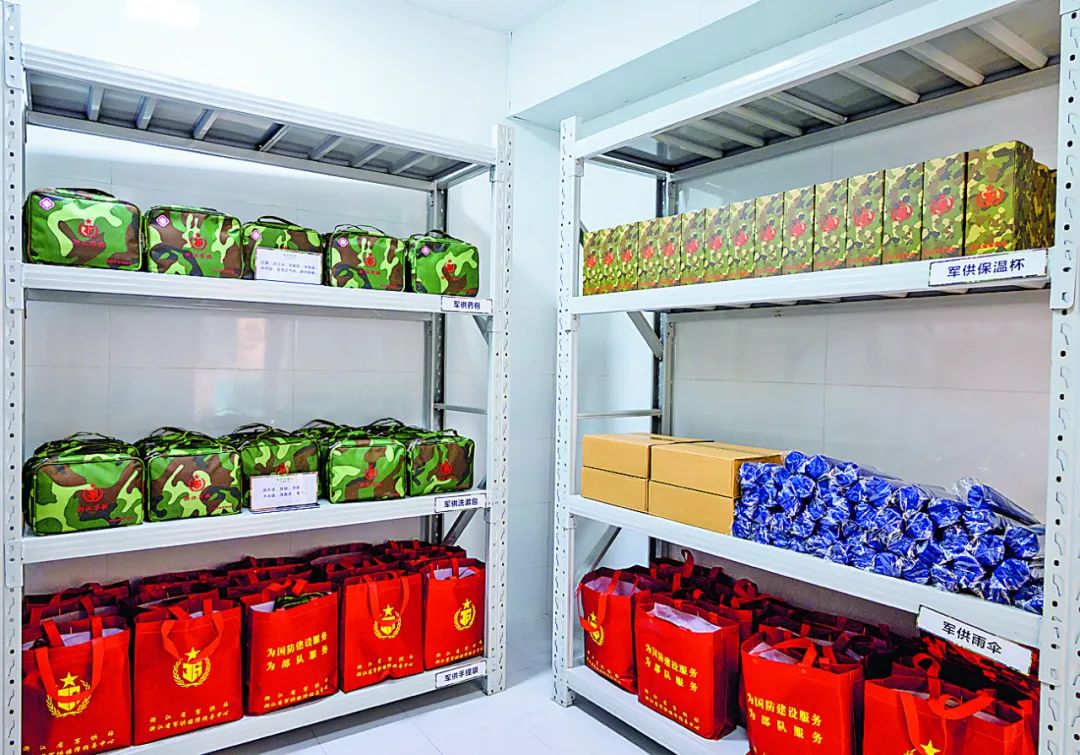
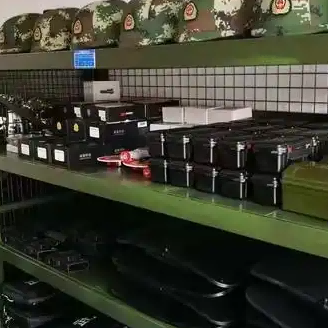
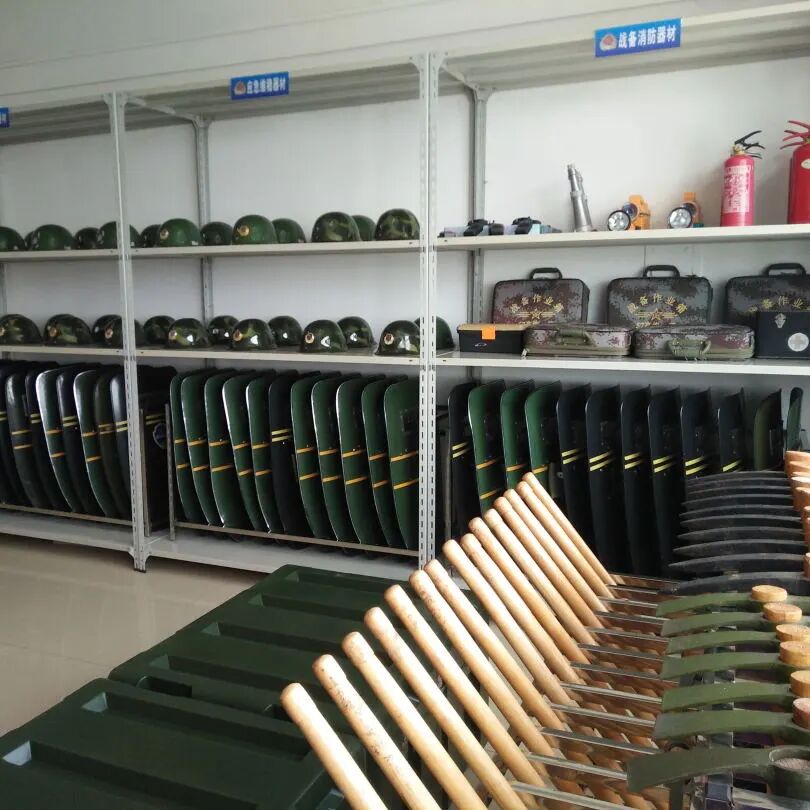
Achieving Total Visibility in Military Warehousing Our RFID-Driven Solution

In recent years, the military has prioritized addressing long-standing challenges in traditional material management, such as difficulties in asset tracking and low turnover efficiency. To advance the development of a modern military logistics system and enhance the modernization of logistical support capabilities, strengthening IT-driven warehousing for general supplies has become a key focus. The consistent integration of cutting-edge technologies—including the Internet of Things (IoT), big data, and artificial intelligence—into all stages of military material management has played a crucial role in this transformation.


As a leading RFID solutions provider in China, our company has been at the forefront of implementing RFID and IoT technologies in the management of military equipment and supplies. We have successfully delivered over a thousand projects across diverse sectors, including the armed forces, public security, armed police, fire services, coast guard, and emergency management, building extensive expertise and a proven track record in the field


Part 1. Military Equipment and Supplies Management - Operational Requirements    


1. Offline Operation & Local Deployment

Operates fully offline with local deployment capabilities. Mission data can be securely synchronized via dedicated networks once connectivity is restored.


2. End-to-End Data Encryption

All data—both in transit and at rest—is encrypted using certified cryptographic protocols, ensuring full protection of classified material.


3. Hardware Resilience & Field Readiness

All equipment is engineered to military-grade environmental standards, guaranteeing stable performance under harsh field conditions.


4. Full Compliance with Military Protocols

Every process—from storage and deployment to usage, maintenance, and decommissioning—strictly adheres to established military governance and procedural guidelines.


Part 2.RFID-Based Military Asset Management: Solution Architecture


The RFID Military Asset Management Solution is built on a three-tiered logical architecture, comprising the Collection Layer, Application Layer, and Presentation Layer.


1. Collection Layer

Hardware components including RFID tags, handheld readers, fixed RFID readers, RFID printers, and RFID tunnel gates are utilized for data capture. Information can be gathered and transmitted to the system via offline modes.


2. Application Layer

This layer enables core functions such as batch inventory counting, intelligent asset management, allocation, issuance, maintenance, return, and automated in/outbound warehouse processes.


3. Presentation Layer

Authorized military supply personnel can access the Fengyijie RFID Asset System to view data and insights through multiple interfaces, including mobile devices, computers, RFID handheld readers, and display screens.


Part 3: Core Capabilities of the RFID Military Asset Management System


1. Digital Asset Identity

By binding RFID tags to physical assets, each item is assigned a unique digital identity. This enables precise, item-level management, allowing for instant access to specifications, responsible personnel, maintenance cycles, and real-time status. This ensures continuous monitoring and strengthens control over classified assets.


2. Automated In/Out Processing

RFID tunnel gates or all-in-one readers deployed at warehouse entry/exit points and handover areas automatically batch-scan and identify items during movement. This significantly accelerates logistics operations while minimizing manual errors.


3. High-Efficiency Inventory

Using RFID handheld readers, personnel can rapidly perform bulk inventory counts. Data is synchronized in real-time with the system backend, which automatically updates stock levels and generates statistical reports upon completion.


4. Maintenance & Servicing Tracking

Managers can schedule and process asset maintenance based on storage and usage requirements. The system records all servicing activities in real-time, creating a complete and traceable maintenance history for each item.


5. Automated Alerts

If assets pass through an RFID gate without a corresponding issued order, the system instantly identifies the discrepancy through tag scanning, triggers an immediate alert, and notifies relevant staff for prompt resolution.


6. Real-Time Querying

The system provides comprehensive query functions for records such as in/out transactions, stock levels, inventory counts, low-stock warnings, maintenance history, and asset details—enhancing operational planning efficiency.


7. End-to-End Traceability

Every asset movement—including transfers, handovers, usage scenarios, and transport details—is accurately logged. This ensures rapid traceability of custody and movement paths.


8. Data Visualization

The RFID management system automatically generates key data outputs such as inventory reports, usage frequency analytics, and maintenance alerts. By presenting asset availability intuitively, it enables rapid equipment allocation and enhances decision-making readiness.


Part 4: RFID Military Asset Management Case Studies


Our RFID Military Asset and Equipment Management System delivers end-to-end visibility across the entire asset lifecycle — from procurement and storage, to training use, maintenance, repair, and final decommissioning. This enables military units to achieve full awareness, traceability, and deployability of assets, breaking through traditional management bottlenecks while significantly enhancing operational efficiency and resource utilization.


To date, we have successfully deployed the system across numerous projects, building substantial industry expertise and a proven track record in the field. Selected case examples include:


1. Coast Guard – Vessel Asset Management


Challenges

Limited storage space, high density of mixed supplies, susceptibility of conventional labels to corrosion, and the requirement for offline operational capability.


Solution Implemented

A tailored RFID-based Asset Management System for maritime deployment.


Outcomes Delivered

· Accelerated inventory processes with rapid, batch scanning capabilities.

· Enhanced readiness and responsiveness of mission-critical supplies.


2.Military Unit - Warehouse Management System Modernization


Challenges

The unit operated four warehouses relying exclusively on manual record-keeping, leading to slow in/out processing and a high frequency of data errors.


Solution Implemented

A comprehensive RFID-based Asset Management System was deployed across all facilities.


Outcomes Delivered

· Achieved fully automated, batch-processing for warehouse operations.

· Significantly improved data accuracy and reliability across the supply chain.


3.Information Support Bureau - Warehouse Management Modernization


Challenges

The warehouse operated on a manual ledger system, requiring a transition to an intelligent, data-driven management platform.


Solution Implemented

Deployment of a customized RFID-based Asset Management System.


Outcomes Delivered

· Achieved rapid inventory counting through automated identification

· Realized intelligent warehouse management with real-time data visibility


4.Aviation Unit - Warehouse Management Modernization


Challenges

Manual inventory records were inconsistent and difficult to track, creating an urgent need for accurate electronic record-keeping.


Solution Implemented

Implementation of a customized RFID-based Asset Management System.


Outcomes Delivered

・Established a reliable digital inventory system with full data traceability

・Significantly improved management efficiency and operational accuracy


5.Military Unit - Warehouse Management Modernization


Challenges

The warehouse relied entirely on manual record-keeping, requiring an intelligent management system to achieve rapid inventory counting and digital transformation.


Solution Implemented

Deployment of a customized RFID-based Asset Management System.


Outcomes Delivered

・Clear and accurate digital inventory records

・Rapid inventory counting through automated identification

・Complete electronic archiving of asset data


6.Armed Forces Department - Warehouse Management Modernization


Challenges

The warehouse operated with manual record-keeping and only one computer, creating an urgent need for rapid and accurate in/out logistics data capture.


Solution Implemented

Deployment of a customized RFID-based Asset Management System.


Outcomes Delivered

・Achieved fully automated batch processing for inbound and outbound operations

・Eliminated the need for manual data entry and registration


Professional RFID Solutions for Military Asset Management – Contact Us for a Customized Consultation.


--------

How RFID is Revolutionizing Library Book Management Systems?

How RFID Technology is Transforming Library Book Management?

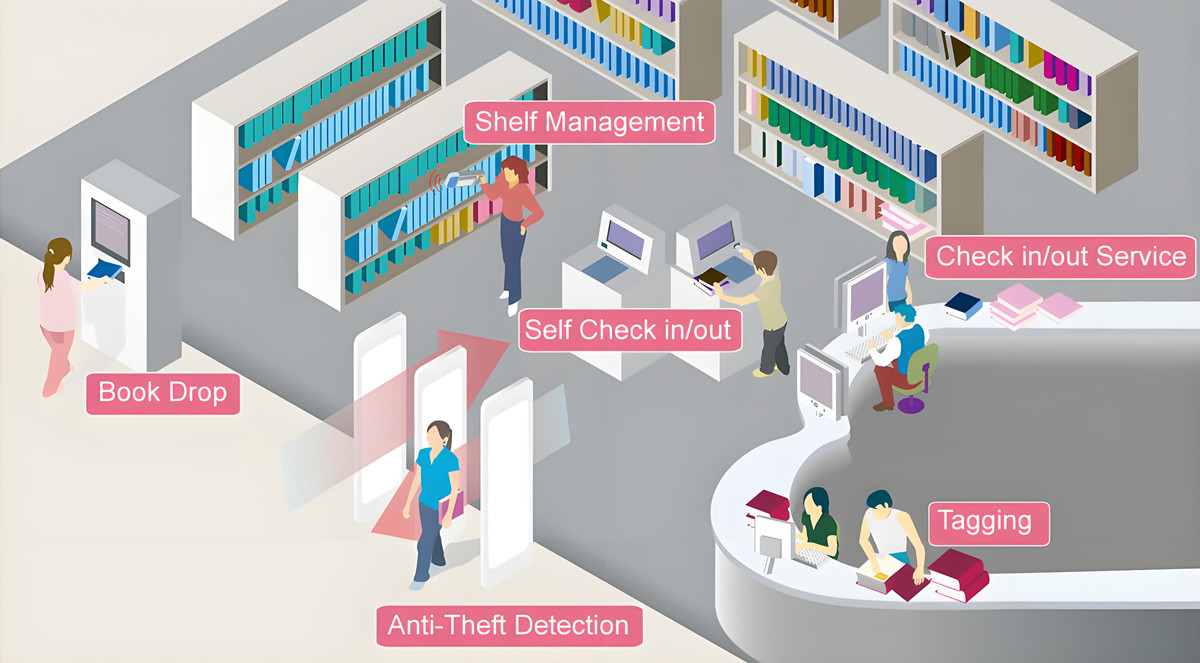
RFID (Radio Frequency Identification) technology is revolutionizing library operations by enhancing efficiency, security, and user experience. Here’s how RFID is transforming library book management:

1. Faster and More Efficient Check-In/Check-Out

Self-Service Kiosks: Patrons can borrow and return books independently by scanning multiple items simultaneously, reducing queues.

Bulk Processing: Unlike barcodes, RFID allows scanning multiple books at once (e.g., stacked returns), saving staff time.

Automated Returns: RFID-enabled book drops instantly update the system when books are returned.

2. Improved Inventory Management

Rapid Shelf Audits: Librarians can perform inventory checks in minutes using handheld RFID readers instead of manual scanning.

Real-Time Tracking: RFID tags help locate misplaced or misshelved books quickly.

Automated Sorting Systems: Some libraries use RFID conveyor belts to sort returned books by genre or section.

3. Enhanced Anti-Theft and Security

RFID Security Gates: Detect unauthorized book removals without proper checkout.

Tamper-Proof Tags: RFID tags are embedded in books, making them harder to remove compared to traditional magnetic strips.

4. Better User Experience

Faster Searches: Patrons can use RFID-powered search stations to locate books precisely.

Mobile Integration: Some libraries offer apps that guide users to a book’s exact shelf location via RFID tracking.

5. Reduced Labor Costs & Human Errors

Automation minimizes manual data entry and repetitive tasks, allowing staff to focus on customer service.

Fewer scanning errors compared to barcode systems.

6. Long-Term Cost Savings

Though initial RFID implementation is costly, it reduces labor, theft, and lost-book expenses over time.

Challenges & Considerations

Initial Setup Cost: RFID tags and infrastructure require significant investment.

Privacy Concerns: Some worry about tracking patron behavior, though most systems anonymize data.

Tag Reliability: Metal or liquid near books can interfere with RFID signals.

Future Trends

Smart Shelves: RFID-enabled shelves that auto-update inventory in real time.

AI + RFID Integration: Predictive analytics for book demand and shelf optimization.

Conclusion

RFID technology is making libraries smarter, faster, and more user-friendly. By automating tedious tasks, improving security, and enhancing the patron experience, RFID is becoming a must-have in modern library management systems.

Would you like details on specific RFID library solutions or case studies?

How RFID + Mobile AIDC Can Slash Inventory Counting Time by Up to 80% — A Real-World ROI Analysis

Is your team still spending countless hours on manual inventory counts—shutting down operations, dealing with inaccuracies, and draining resources? The traditional "eyes-and-barcode-scanner" approach has hit its limit. In this post, we’ll explore how the combination of RFID (Radio-Frequency Identification) and mobile AIDC (Automatic Identification and Data Capture) devices can transform inventory management from a labor-intensive chore into a streamlined, intelligent process—with a clear and compelling return on investment.


1. The Pain Points of Traditional Inventory Counting: Where’s the Cost?


Every operations manager knows the struggles of manual counts:
Time-consuming and labor-intensive: Full-team efforts that can take days, disrupting normal business flow.
Accuracy issues: Human errors, missed items, and fatigue lead to mismatched records.
Delayed and static data: Counts reflect a past snapshot, not real-time stock visibility, hurting decision-making.
Cumbersome process: Requires sectioning off areas, freezing inventory, and repeated verification—frustrating for staff.
These hidden costs quietly eat into profitability and operational agility.


2. The Tech Solution: How Do RFID + Mobile AIDC Work Together?


Imagine an employee walking through a warehouse with a rugged PDA or smartphone without scanning each barcode individually. Hundreds, even thousands, of items are captured automatically, accurately, and in seconds. That’s the power of this integrated approach.

RFID (The Core): Each item, pallet, or case gets a unique “digital ID” (RFID tag). Tags store data and can be read without line of sight, in bulk, and from a distance (up to several meters).
Mobile AIDC Devices (The Enabler): Industrial PDAs or smartphones equipped with RFID readers. They act as powerful scanners and real-time terminals to sync data directly with your ERP or WMS.


How It Works in Practice:
Tagging & Initialization: Attach RFID tags to goods and link them to your database.
Smart Counting: Walk through aisles with the handheld device; it automatically reads all tags within range.
Real-Time Sync & Reconciliation: Data is compared instantly with backend systems. Discrepancies are flagged on the spot, and inventory records are updated in real time.


3. Real ROI Breakdown: Where Does the 80% Time Savings Come From?


Let’s quantify the impact with a mid-sized warehouse example (~10,000 SKUs) during a quarterly count:


Aspect Traditional Manual Counting RFID + Mobile AIDC Counting Improvement
Time Required 8 people × 8 hours = 64 person-hours 2 people × 2 hours = 4 person-hours 85% faster, 93% less labor
Accuracy Rate 95%–98% (human-dependent) 99.9%+ (automated bulk reads) Significantly higher precision
Operational Impact Requires shutdown, halts inbound/outbound flow Enables dynamic counting—minimal disruption Continuous operations
Data Insight Static, delayed snapshot Real-time, live visibility for agile decisions Granular, actionable intelligence


Cost vs. Savings Analysis:

Initial Investment: RFID tags (cost drops at scale), mobile AIDC hardware, system integration.
Annual Savings:
Labor: Reduce counting labor by over 90%. In the case above, that’s ~240 person-hours saved annually (4 counts per year).
Operational Downtime: Eliminate lost sales or delays from inventory freezes.
Shrinkage & Errors: Cut financial losses from stock discrepancies, mis-ships, or theft.
Opportunity Cost: Reallocated staff can focus on higher-value tasks like demand planning or customer service.
Bottom Line: For most businesses, the payback period for an RFID + AIDC implementation is typically 12–24 months, after which it delivers ongoing “efficiency dividends” and “data-driven advantages.”

4. Ideal Use Cases & Keys to Success


Industries That Benefit Most:
Retail & Apparel: Store cycle counts, distribution center receiving.
Manufacturing: Component warehouses, work-in-process tracking.
Logistics & Supply Chain: Pallet- and case-level shipment visibility.
Asset Management: Efficient tracking of fixed assets and equipment.

Three Success Factors:

Clear Objectives: Are you solving for counting speed, end-to-end traceability, or both? Start with the business goal.
The Right Partner: Choose an integrator with industry experience, reliable hardware/software, and strong support.
Phased Rollout: Begin with a pilot—high-value items or a single warehouse—prove the ROI, then scale.

An 80% reduction in counting time isn’t just a metric—it’s a transformation in how your business operates. RFID paired with mobile AIDC frees your team from repetitive tasks, automates data flow, and turns inventory into a strategic asset.

This isn’t merely a technology upgrade; it’s a step toward a more responsive, data-powered organization. With real-time, accurate inventory visibility, you’re better equipped to optimize working capital, improve order accuracy, and accelerate fulfillment.

Ready to move from manual counts to intelligent inventory? The numbers speak for themselves. It’s time to invest in visibility.


------------------

How to Reduce Labor Costs and Minimize Human Errors in Warehouse Operations Using Industrial AIDC Solutions

From Cost Center to Data Hub: Revolutionizing Warehouses with AIDC in 2026

Summary: Warehouse operations are no longer just about storage and shipping; they've become a strategic, data-driven asset central to customer experience and business resilience. By integrating modern Automatic Identification and Data Capture (AIDC) technologies, businesses can systematically address the dual challenges of high labor costs and operational errors, moving beyond incremental fixes to achieve transformative efficiency.


The Modern Warehouse: A Strategic Pivot Point

Today’s distribution center is a critical hub. It’s no longer a passive cost center but a dynamic data engine and often the final physical touchpoint with the customer. In 2026, leadership that relies on intuition alone is unsustainable; data-driven decision-making has become a matter of survival for warehouse operations.


Decoding AIDC: Beyond Simple Barcode Scanners

AIDC is a comprehensive ecosystem of technologies designed to automatically identify objects, collect data, and feed it directly into management systems without manual entry. While barcodes are foundational, the modern AIDC toolkit in 2026 includes:


1. Radio-Frequency Identification (RFID): Enables bulk reading and real-time tracking without direct line of sight. UHF RFID tag costs have fallen significantly, driving annual global consumption to over 80 billion units.

2. AI-Powered Vision Systems: Use cameras and deep learning for complex recognition tasks, such as verifying mixed-SKU pallets or identifying damaged goods, with error rates as low as 0.03% in controlled industrial settings.

3. Mobile Computing & IoT Sensors: Handheld computers and environmental sensors provide workers with real-time data and enable constant monitoring of conditions like temperature and humidity.


A Step-by-Step Guide to Implementation

Transitioning to a smart warehouse is a strategic process. Here’s a practical guide for 2026:


1. Assess & Identify Pain Points: Conduct a thorough audit of your current infrastructure and processes. Pinpoint where delays, errors, and costs are highest, such as receiving, picking, or cycle counting.

2. Start with a Focused Pilot: Choose one high-impact area for a technology pilot. Implementing IoT sensors for real-time inventory tracking or handheld computers for guided picking in a specific zone can demonstrate quick ROI and build internal support.

3. Integrate Systems Deeply: Ensure your new AIDC tools are fully integrated with your core Warehouse Management System (WMS) and Enterprise Resource Planning (ERP) software. Disconnected systems are a major competitive disadvantage.

4. Train and Empower Your Team: Invest in change management. Train employees to work with new technology, focusing on how it makes their jobs easier and more valuable, such as by reducing tedious manual searches.

5. Scale and Optimize: Based on pilot results, develop a phased rollout plan. Use collected data to continuously refine processes, explore advanced automation like Autonomous Mobile Robots (AMRs) for material handling, and expand visibility across the supply chain.


The Tangible Benefits: From Labor to Leadership

The impact of a well-executed AIDC strategy is measurable across multiple dimensions:


Benefit Category Key Outcomes & Metrics
Labor Productivity & Cost Reduces walking time by 30-50% with optimized pick paths. Cuts labor costs by up to 40% and manual audits by 80%.
Operational Accuracy Achieves 99.9%+ picking and shipping accuracy. Enables real-time, 24/7 inventory visibility with 99%+ stock accuracy.
Strategic Decision-Making Provides data for AI-driven demand forecasting (up to 95% accuracy), dynamic slotting, and predictive analytics, transforming the warehouse into a profit driver.


The Future-Proof Warehouse: Trends for 2026 and Beyond

To stay competitive, look beyond immediate tools to these converging trends:

1. AI as an Operational Tool: AI is moving from hype to practical application in labor forecasting, dynamic slotting, and anomaly detection, acting as a core utility within the warehouse "toolbox".

2. Automation with Purpose: The trend is shifting from automating everything to "automating the constraint"—intelligently deploying AMRs and cobots where they deliver the clearest ROI.

3. End-to-End Ecosystem Visibility: True transparency from supplier to customer is becoming non-negotiable. Technologies like blockchain are being explored to create immutable audit trails and enhance supply chain provenance.

4. Sustainability as an Operational Metric: Green practices are evolving from marketing to core operational goals, influencing decisions on packaging, energy use, and network design to meet rising regulatory and customer expectations.


Conclusion: The Journey to a Smarter Hub Begins Now


Transforming your warehouse with AIDC is a strategic journey that aligns technology with process and people. The goal is to build an operation that is not only more efficient and accurate but also more agile, resilient, and strategically valuable. In 2026, the winners will be those who leverage data and automation not to replace human judgment, but to empower it, creating a warehouse that is truly a strategic asset for the business.


To further explore how specific AIDC technologies like RFID or AI vision systems can be tailored to your industry's unique challenges, feel free to ask for a deeper dive into any of these solutions.


-----------------------------------------

How to Scale RFID / AIDC Deployment Across Multiple Warehouses or Sites — Best Practices for Growing Companies

When a mid-sized e-commerce company expanded from 1 to 8 warehouses in two years, its inventory accuracy dropped from 99% to 76%, with annual shrinkage losses exceeding 2% of revenue. This is not an outlier—it’s the digital growing pain most scaling businesses face today.

As operations expand, many organizations find that RFID (Radio-Frequency Identification) or AIDC (Automatic Identification and Data Capture) systems that succeeded in a single location fail to replicate elsewhere. Data silos emerge, standards diverge, and ROI diminishes with each new site.

Scaling deployment across multiple facilities has become the critical differentiator between companies that leverage automation as a tactical tool and those that transform it into a strategic advantage.


01 The Scaling Paradox: Why Single-Site Success Doesn’t Replicate

Moving from one warehouse to a multi-site operation exposes challenges far beyond technology. A well-known consumer brand in China successfully implemented RFID in its East China distribution center, but encountered unexpected barriers when replicating the system in North and South China facilities.

Deployment timelines extended by 300%, data interoperability reached only 68%, and 12 critical variations emerged in operational protocols across sites.

This was not a technology failure—but a breakdown in management systems at scale. Minor hardware discrepancies, network configuration differences, and variations in operator training—variables easily controlled in a single site—multiply exponentially across locations.

Fundamentally, most initial deployments are driven by a project mindset: fixed timelines, limited budgets, defined scope. Scaling requires a product mindset: standardized, configurable, and maintainable solutions built for replication.


02 Five Pillars of a Repeatable Deployment Framework

Successful multi-site scaling rests on five interdependent pillars.

Standardized Hardware Architecture forms the physical foundation. Selecting devices supporting standard protocols (such as RAIN RFID or ISO/IEC 18000-63) and implementing a “core-edge” resilient architecture allows continuity during localized failures. One logistics company designed an RFID gateway cluster across 30 warehouses that automatically rerouted traffic during site outages, achieving 99.95% system-wide availability.

Modular Software Platform serves as the nervous system. A microservices-based platform decouples reader management, data filtering, and business logic. Adding new warehouses becomes a configuration exercise—not a development project—reducing deployment time by 70%.

Unified Data Model ensures interoperability. Establishing standardized data dictionaries, consistent tag encoding structures, and event definitions enables real-time visibility. A global manufacturer implemented uniform data models across 12 international factories, enabling real-time inventory comparison and optimized transfers.

Phased Deployment Roadmap provides the execution plan. A structured “assess-pilot-regional rollout-full deployment” approach with clear milestones and decision gates prevents uncontrolled expansion. A leading electronics manufacturer adopted a wave deployment strategy, optimizing processes after every three sites, improving later deployment efficiency by 40%.

Sustained Support System delivers long-term viability. Creating cross-site technical support teams, knowledge bases, and escalation protocols ensures remote facilities receive the same support quality as headquarters.


03 Execution Pathway: A Four-Phase Methodology

Phase 1: Comprehensive Assessment & Architecture Design (1–2 months)

Analyze variations in workflow, infrastructure, and workforce capabilities across sites. One apparel retailer discovered significant RFID read environment differences between urban fulfillment centers and suburban return hubs, then customized antenna placement—reducing accuracy variance from 15% to 2%.

Phase 2: Pilot Optimization & Standard Creation (2–3 months)

Conduct deep pilots at 1–2 representative sites, focusing not only on technical validation but on refining repeatable deployment processes and training materials. Document hours, common issues, and solutions to create a deployment playbook.

Phase 3: Regional Rollout & Local Adaptation (3–6 months)

Deploy in geographic or business-unit waves. Assign regional leads and provide “launch kits” from headquarters: standardized equipment lists, configuration templates, training videos, and checklists. Allow up to 20% localization to accommodate unique site requirements.

Phase 4: Full Deployment & Continuous Improvement (6+ months)

Establish ongoing optimization by regularly collecting performance data and improvement suggestions. One 3PL provider holds monthly cross-site operational reviews to share best practices, increasing average read rates from 97.2% to 99.1% within a year.


04 Navigating Pitfalls: Critical Decisions During Scale

The greatest scaling challenges are often organizational, not technological. Here are three common traps and how to avoid them.

Premature Technology Lock-in can be fatal. One company selected a specific hardware vendor during piloting, later unable to integrate more cost-effective alternatives. The solution: architect around open standards and isolate hardware dependencies through abstraction layers.

One-Size-Fits-All Deployment ignores operational diversity. Applying identical RFID tag specifications to both cold-chain and ambient warehouses resulted in a 5x higher failure rate in freezing environments. The answer: develop 2–3 standardized configurations based on business scenario categorization.

Underestimating Change Management triggers workforce resistance. A company deploying its seventh warehouse still relied on lessons learned from earlier sites but failed to systematize training, causing error rates to rebound. Implement a change impact assessment process to evaluate how adjustments affect all locations.


05 Case Study: Scaling from 3 to 30 Sites

The journey of “Kangda Logistics,” a leading pharmaceutical distributor in China, offers instructive insights. After successful RFID deployment across three core warehouses in 2019, the company faced scaling to 30 nationwide sites.

In Phase 1 (2020), they created a “standardized deployment kit” with pre-configured hardware, detailed installation guides, and video tutorials—reducing new site deployment from 8 weeks to 3 weeks.

In Phase 2 (2021), a centralized monitoring platform provided real-time visibility into equipment status, read rates, and exceptions across all sites, enabling technical response within 15 minutes.

In Phase 3 (2022–present), data-driven business rules were optimized—such as dynamically adjusting cycle counts based on risk levels. High-risk pharmaceuticals are counted weekly, low-risk monthly, maintaining safety standards while reducing counting labor by 35%.

By the end of 2023, Kangda’s 30 sites achieved 99.2% average inventory accuracy, improved cross-warehouse transfer efficiency by 50%, and reduced annual counting costs by CNY 2.8 million.

In Kangda Logistics’ year-end review, the most compelling visualization wasn’t a performance metric—but a deployment complexity curve. The first warehouse took 6 months, warehouses 2–3 each required 4 months, sites 4–10 averaged 6 weeks, and sites 11–30 stabilized at under 4 weeks—a clear indicator of scaling maturity.


For growth-stage companies, true competitive advantage lies not in a single successful pilot, but in systematizing the ability to replicate success. When technology deployment becomes predictable and repeatable, organizations can focus on innovation rather than repeatedly solving the same foundational challenges.

In an era where logistics is service, the ability to synchronize digital operations across sites is no longer a technical option—it’s the threshold to the next stage of growth.


------------------------------


RFID and UHF RFID Explained — A Complete Guide for Logistics, Warehousing, and Asset Management

Introduction: When Traditional Management Meets Technological Limits


In traditional logistics and warehouse management, have you ever faced these situations?

Warehouse stocktaking requiring all-hands overtime, frequent missed or incorrect scans during manual barcode reading, spending hours locating a critical piece of equipment… These pain points silently erode organizational efficiency and profitability.

The emergence of RFID technology is quietly rewriting the rules of the game.


RFID Fundamentals — More Than Just an “Advanced Barcode”


1.1 What is RFID?

RFID (Radio Frequency Identification) is a technology that uses radio waves to automatically identify objects and capture related data. Unlike barcodes that require direct line-of-sight, RFID tags can be read from several meters away without visual contact.

1.2 The Three Core Components:

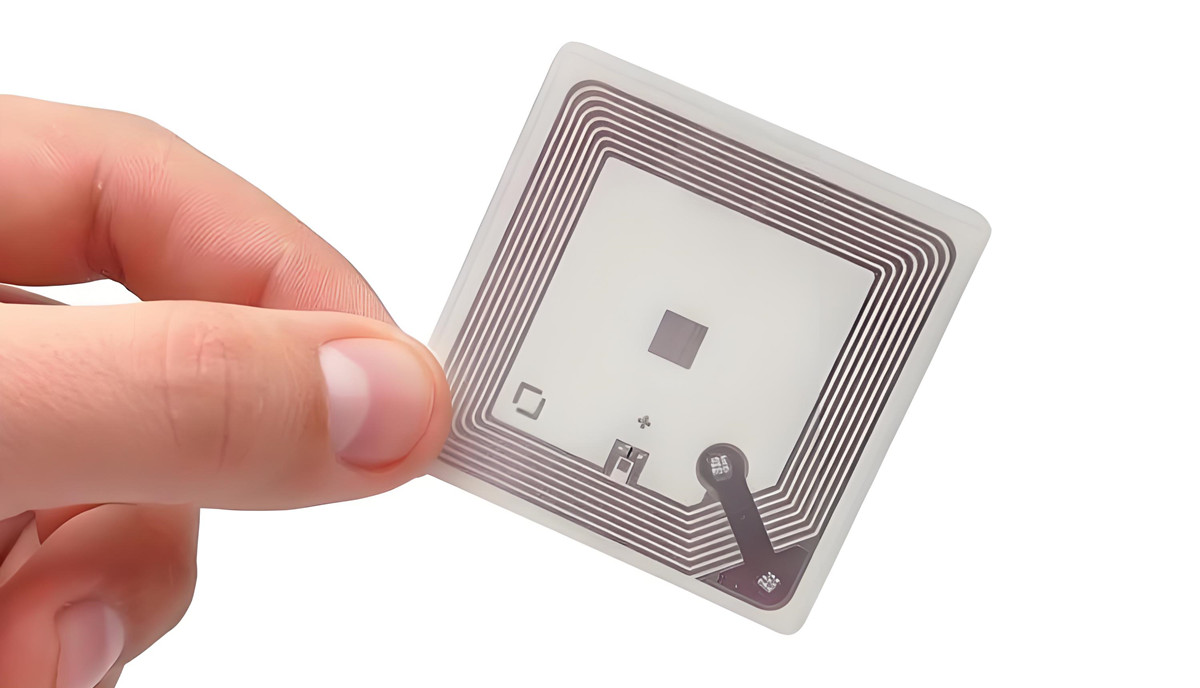
RFID Tags: Microchips integrated with an antenna, attached to items

RFID Readers: Devices that transmit and receive radio signals to communicate with tags

Backend System: Software that processes, analyzes, and stores the captured data


UHF RFID — The Game Changer for Logistics and Warehousing


2.1 Key Advantages of UHF RFID

Operating in the 860–960 MHz frequency range, Ultra-High Frequency (UHF) RFID offers:

Longer read ranges — up to 10–15 meters

Bulk reading capability — hundreds of tags simultaneously

High-speed reading — 1,000+ tags per second

Better penetration — can read through non-metallic materials


2.2 Technology Comparison


Parameter Low-Frequency RFID High-Frequency RFID UHF RFID
Frequency Range 125–134 kHz 13.56 MHz 860–960 MHz
Read Range < 0.5 m < 1.5 m 1–15 m
Read Speed Slow Moderate Very Fast (bulk read)
Interference Resistance High Moderate Sensitive to metals/liquids
Typical Applications Access control, animal tracking Libraries, payment cards Logistics, warehousing, retail


The RFID Revolution in Logistics


3.1 End-to-End Visibility

From supplier to end-customer, every package, pallet, or container equipped with an RFID tag enables real-time tracking of:

In/out timestamps and responsible personnel

Transportation routes and transit points

Environmental conditions (with integrated sensors)

ETAs and exception alerts


3.2 Real-World Case: DHL

After deploying UHF RFID systems in its logistics centers, DHL achieved:

40% faster cargo processing

90% reduction in manual stocktake time

99.9% order accuracy

Annual savings of millions in operational costs


RFID Solutions for Smart Warehousing


4.1 Revolutionary Inventory Counting

Traditional manual count: 1 hour for 500 items

RFID count: 1,000 items in 1 minute

This leap in efficiency comes from RFID’s bulk-read capability. Staff simply walk through aisles with a handheld or vehicle-mounted reader, capturing data from hundreds of items in seconds.


4.2 Smart Shelving & Real-Time Inventory

RFID-enabled smart shelves can:

Automatically log item removal and replacement

Monitor stock levels in real time and trigger auto-replenishment

Prevent misplacement and optimize space utilization

Eliminate “lost stock” scenarios

RFID inventory system for warehouse efficiency, UHF RFID vs barcode scanning for asset tracking, ROI of implementing RFID in supply chain management, RFID asset management for manufacturing equipment tracking, integrating RFID data with ERP systems

RFID Case Study | Want to Achieve Automated In/Outbound Management for Returnable Containers? See How This Fresh Food Company Did It!

RFID Returnable Container Management Solution


As an industry-leading RFID solution provider, our team specializes in developing customized RFID management solutions for various sectors, empowering enterprises, warehouses, and factories to achieve significant improvements in operational efficiency.

In this instance, we designed a tailored RFID automated inbound and outbound management solution for returnable containers at a fresh food company's warehouse in Chengdu. This initiative optimized the flow of containers within the fresh food supply chain, driving the industry's transition from traditional manual management to an intelligent operational model.


Project Background


Project Name: RFID Returnable Container Management
Project Category: Fresh Food Distribution
Project Location: Chengdu, Sichuan Province


Industry Pain Points


01 High Rates of Loss and Damage

During transportation, loading/unloading, and storage, improper handling frequently leads to container loss or damage.

02 Difficulty in Tracking Containers

The large quantity and high circulation frequency of containers make it challenging to monitor their locations, identify stranded units, or pinpoint damage sources.

03 Inaccurate Inventory Management

Reliance on manual processes combined with high inbound/outbound frequency results in frequent data errors and unreliable stock counts.

04 Increased Costs

Poor container management leads to higher loss and damage rates, generating additional replacement expenses and impacting profitability.

05 Challenges in Reuse and Recycling

An inefficient container return system disrupts the timely flow of containers back into the supply chain, reducing turnover efficiency.

06 Multi-Party Coordination Complexities

Differing requirements from suppliers, warehouses, transporters, and retailers complicate the management of shared container pools.

Customer Requirements


01 Use handheld devices to scan driver IDs, associating returnable containers with specific drivers during loading.
02 Install sensing RFID antennas at the entrance of container washing machines to automate inbound registration.
03 Enable contactless RFID identification with a minimum effective read range of 3 meters.
04 Utilize tags resistant to freezing, low temperatures, and waterproof conditions.
05 Implement cloud services with full Wi-Fi coverage in operational environments.


Solution

  • #
    Identity Empowerment
    RFID card-style electronic tags enable precise one-to-one correspondence management with returnable containers, while QR codes are used to associate driver identities, achieving seamless tracking and management of the containers.
  • #
    RFID Intelligent Management System
    Through the collection of data from RFID card tags, the system visualizes all processes involving the returnable containers, including inbound/outbound operations, inventory levels, and stocktaking data.
  • #
    RFID Intelligent Inbound/Outbound Management
    UHF RFID integrated readers are installed at warehouse entry/exit points to achieve fully automated inbound and outbound processes.
  • #
    RFID Intelligent Batch Inventory
    Staff can use RFID handheld devices to read RFID card-style tags, enabling highly efficient batch inventory counts.


Solution Deployment


01 Remote Assistance and Installation

Based on the layout and sensing range requirements of the customer's production warehouse, the technical team conducted one-on-one remote deployment reviews. They provided online guidance for the installation of each device, ensuring seamless on-site hardware setup and system debugging.


02 Operational Demonstration and Explanation

Through one-on-one online sessions, detailed guidance was provided on the usage procedures of both the system and hardware. Operational demonstration video packages were also supplied to ensure relevant personnel can quickly understand and master the operation of the RFID software and hardware.

03 One-on-One Technical Guidance

Tailored one-on-one training and technical support were provided to the customer and their warehouse staff, ensuring rapid proficiency in operating both the system and hardware.


04 Establishment of Online Service System

Following platform deployment and training, a year-round 7*12 online after-sales service system was established to provide continuous technical support and issue resolution.


Project Benefits


01 Comprehensive improvement in returnable container management efficiency

02 Annual cost savings of over ten thousand yuan for the enterprise

03 130% increase in inbound/outbound efficiency

04 Inventory accuracy rate for returnable containers raised to 99%

05 80% improvement in returnable container management efficiency


The RFID returnable container automated inbound/outbound solution enables automated data collection, providing real-time visibility into container inventory status and significantly enhancing management efficiency.


The entire circulation process is traceable. By binding driver identities, responsibility for each part is clarified, establishing a transparent and controllable returnable container circulation system


RFID Returnable Container Automated In/Outbound Solution
helps enterprises achieve automated, visualized, and traceable management of returnable containers, effectively reducing costs and improving efficiency to build digital competitiveness.


Contact us to customize your exclusive RFID intelligent management solution!